.png)
Sometimes, when I talk about a book map, authors picture a totally different type of map altogether. So let's get to a definition right away.
We're not talking about a visual representation of your story's setting, a la Tolkien and Le Guin, like you might include in your book's front matter to help readers anchor themselves in your fictional world. Those kinds of maps are *awesome*, don't get me wrong, but I have no idea how to make one!
You can step back and get a bird's eye view of your entire novel in one place, allowing you to see the gaps, the potential links, the character arc progression, the theme development, all on the screen (or page) at once.
It’s a useful way of seeing your story all in one place and spotting emerging patterns or gaps, and it can help you understand what’s actually on the page rather than just what you might *think* is on the page.
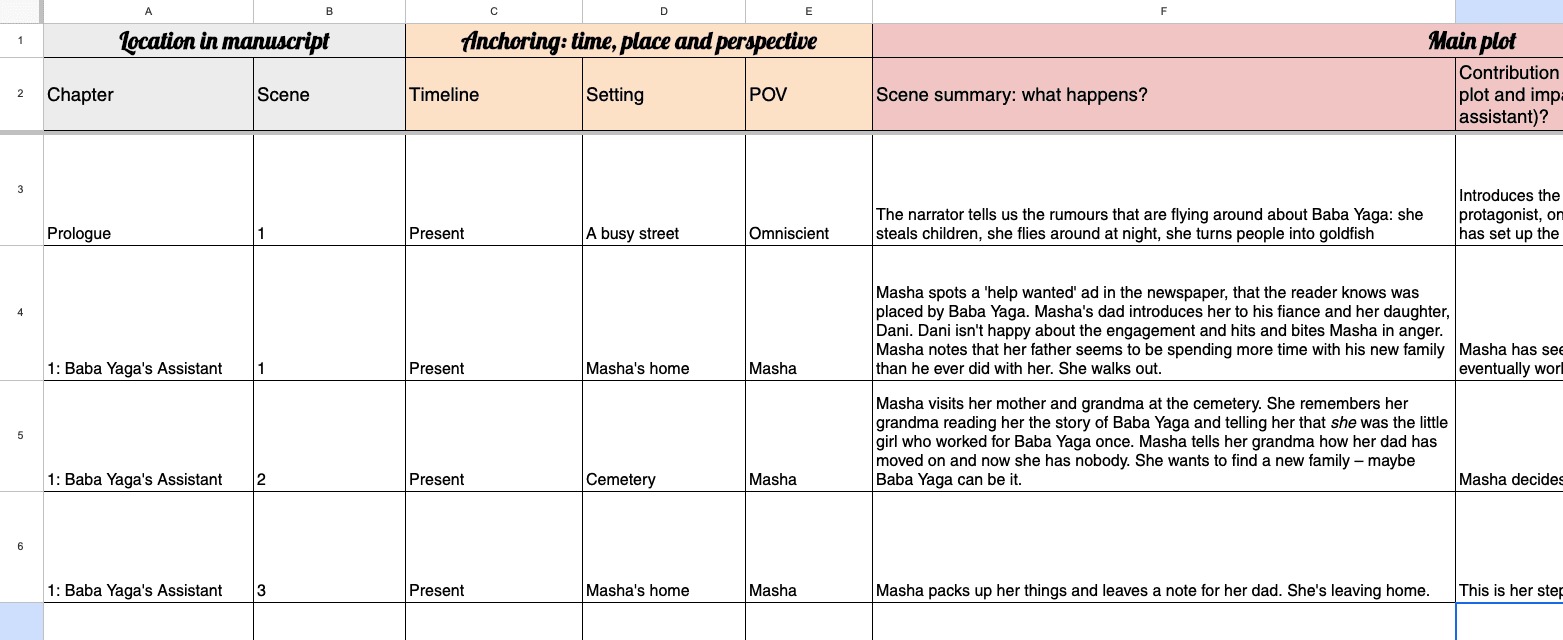
It's a great idea to map out your book like this before you start writing, so you can get a clear idea of how your plot is going to play out and how your character's going to change over the course of the story. Lots of authors do this with post-it notes, index cards, whiteboards or even software like Scrivener and it's a brilliant way of keeping your manuscript on track and being sure you've got all the fundamental building blocks in place before you get too far in your story.
Leave me a comment or question! 🗯️